


Page 11 - N. Metabolism and metabolic diseases
P. 11
The biphasic activity of Lindera obtusiloba extracts in bone homeostasis
  through the regulation of osteoclastogenesis and osteoblast differentiation

               1,2
  Shin-Hye Kim , Sik-Won Choi   1,*
  1 Forest Biomaterials Research Center, National Institute of Forest Science, jinju 52817, korea
  2 Department of Biological Sciences, College of Natural Science, Chonbuk National University, Jeonbuk 54896, Korea
                                               ABSTRACT
   The number of patients with bone metabolic disorders including osteoporosis is increasing worldwide. These
   disorders often facilitate bone fractures, which seriously impact the patient’s quality of life and could lead to further
   health complications. Bone homeostasis is tightly regulated to balance bone resorption and formation. However,
   many anti-osteoporotic agents are broadly categorized as either bone forming or anti-resorptive, and their
   therapeutic use is often limited due to unwanted side effects. Therefore, effective therapeutic agents are needed for
   osteoporosis. This study aims to clarify the bone protecting effects of Lindera obtusiloba leaf extract (LOLE) and its
   mode of action. LOLE inhibited RANKL-induced osteoclast differentiation by blocking c-Fos/NFATc1. Furthermore,
   we found that LOLE enhanced BMP-2-stimulated osteoblast differentiation by the induction of alkaline phosphatase
   (ALP). These results showed that LOLE has the potential to combat bone metabolic disorders including osteoporosis.
                                                RESULTS


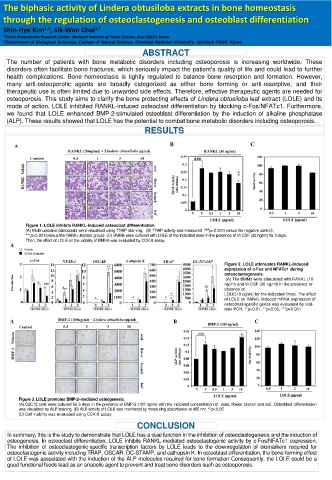
         Figure 1. LOLE inhibits RANKL-induced osteoclast differentiation.
         (A) Multinucleated osteoclasts were visualised using TRAP staining. (B) TRAP activity was measured.  ### p<0.001(versus the negative control);
         ***p<0.001(versus the RANKL-treated group) (C) BMMs were cultured with LOLE at the indicated dose in the presence of M-CSF (30 ng/ml) for 3 days.
         Then, the effect of LOLE on the viability of BMMs was evaluated by CCK-8 assay.
    A


                                                                          Figure 2. LOLE attenuates RANKL-induced
                                                                          expression of c-Fos and NFATc1 during
                                                                          osteoclastogenesis.
                                                                          (A) The BMMs were stimulated with RANKL (10
                                                                          ng/ml) and M-CSF (30 ng/ml) in the presence or
                                                                          absence of
                                                                          LOLE(10 μg/ml) for the indicated times. The effect
                                                                          of LOLE on RANKL-induced mRNA expression of
                                                                          osteoclast-specific genes was evaluated by real-
                                                                          time PCR. **p<0.01, **p<0.05, ***p<0.001
    A
    A                                                     B                         C


       Figure 3. LOLE promotes BMP-2–mediated osteogenesis.
       (A) C2C12 cells were cultured for 3 days in the presence of BMP-2 (100 ng/ml) with the indicated concentration of seed, flower, branch and leaf. Osteoblast differentiation
       was visualized by ALP staining. (B) ALP activity of LOLE was monitored by measuring absorbance at 405 nm. **p<0.05
       (C) Cell viability was evaluated using CCK-8 assay.
                                              CONCLUSION

   In summary, this is the study to demonstrate that LOLE has a dual function in the inhibition of osteoclastogenesis and the induction of
   osteogenesis. In osteoclast differentiation, LOLE inhibits RANKL-mediated osteoclastogenic activity by c-Fos/NFATc1 expression.
   The inhibition of osteoclastogenic-specific transcription factors by LOLE leads to the downregulation of biomarkers required for
   osteoclastogenic activity including TRAP, OSCAR, DC-STAMP, and cathepsin K. In osteoblast differentiation, the bone-forming effect
   of LOLE was associated with the induction of the ALP molecules required for bone formation Consequently, the LOLE could be a
   good functional foods lead as an anabolic agent to prevent and treat bone disorders such as osteoporosis.

