


Page 9 - S. Plant biology
P. 9
Genome editing effect of the CRISPR/Cas9 system in hybrid poplar using
      agrobacterium mediated transformation

      Su Jin Park, Young-Im Choi*, Eun-Kyung Bae, Hyung-Ho Kim
      Forest Bioresources Department, National Institute of Forest Science, Suwon, 16631, South Korea

                     BACKGROUND                                                        AIM

   Engineered nucleases can effectively digest and mutate targeted genes in the  In this study, we provide experimental evidences that the CRISPR/Cas9
   plant genome. The CRISPR/CRISPR-associated protein 9 (Cas9) system can  mediated genome editing system effectively induces targeted mutations of
   induce gene editing at a high rate within months and can be effectively used for  PDS gene in a hybrid poplar (P. alba × P. glandulosa), which comes from
   long-lived trees.                                            the crossing a female Populus alba and male P. glandulosa.
                                                     METHODS


   Plant materials
   The six-week-old hybrid poplar (P. alba × P. glandulosa) were used for transformation by Agrobacterium to introduce the CRISPR/Cas9 system.
   gRNA site selection in PagPDS1
   The gRNA to edit PagPDS1 was selected by Cas-Designer from CRISPR RGEN Tools (www.rgenome.net/cas-designer) (Park et al. 2015). The genome database of P. trichocarpa
   (v3.1) was used as the reference sequence. The protospacer adjacent motif (PAM) sequence was set to 5'-NGG-3' of Streptococcus pyogenes Cas9 (SpCas9).
   CRISPR/Cas9 vector construction
   The binary vector pHSE401 (Addgene, USA) was used to express Cas9 and PagPDS1 gRNA in the hybrid poplar according to the method described by Xing et al. (2014).
   Agrobacterium-mediated transformation of the hybrid poplar
   Agrobacterium-mediated transformation was performed using the method described by Choi et al. (2005).
   PagPDS1 mutant detection in the transgenic hybrid poplar
   PagPDS1 gene mutation analysis in transgenic plants was performed with Sanger sequencing (Macrogen, Korea). Genomic DNA was isolated from the leaves of wild-type and
   PagPDS1 mutants as templates for PCR amplification. The primers PagPDS1-F2 (5'-CTCTCAAGTTGCCTTGAGATG-3') and PagPDS1-R2 (5'-GCACAATCTCTCAAGAGTACATGC-
   3') were used to amplify the PagPDS1 target sequence.

                                                     RESULTS


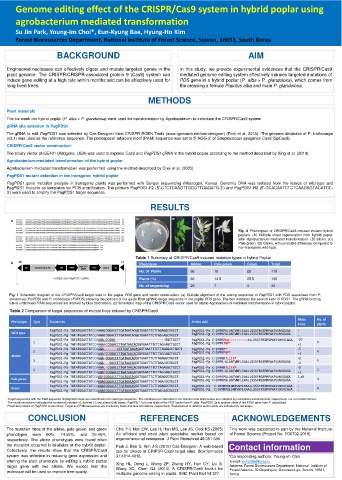
                                                                                    Fig. 2 Phenotypes of CRISPR/Cas9-induced mutant hybrid
                                                                                    poplars. (A) Multiple shoot regeneration from hybrid poplar
                                                                                    after Agrobacterium mediated transformation. (B) albino, (C)
                                                                                    Pale-green, (D) Green, without visible difference compared to
                                                                                    non-transgenic wild-type.
                                                Table 1 Summary of CRISPR/Cas9-induced mutation types in hybrid Poplar
                                                 Phenotype         Albino   Pale green  Green  Total
                                                 No. of  Plants    66       16         28      110
                                                 Plants (%)        60       14.5       25.5    100
                                                 No. of sequencing  29      7          4       40
    Fig. 1 Schematic diagram of the CRISPR/Cas9 target sites in the poplar PDS gene and vector construction. (a) Multiple alignment of the coding sequence of PagPDS1 with PDS sequences from P.
    tomentosa (PtoPDS) and P. trichocarpa (PtrPDS) showing the position of the guide RNA (gRNA) target sequence in the poplar PDS gene. The box indicates the second exon of PDS1. The gRNA-binding
    site is underlined. PAM sequences are marked by blue bold letters. (b) Schematic map of the CRISPR/Cas9 vector used for stable Agrobacterium-mediated transformation in hybrid poplar.
    Table 2 Comparison of target sequences of mutant lines induced by CRISPR/Cas9
                                                                                                         Muta  No. of
     Phenotype  Type  Sequences                                     Amino acid
                                                                                                         tions  plants
                  PagPDS1-Pa TGTATGGACTATCCAAGACCGGACCTTGATAACACGGTGAATTTCTTAGAGGCTGCCT  PagPDS1-Pa CMDYPRPDLDNTVNFLEAALLSSSFRSSPRPAKPLNVVIAGA  -
     Wild type                                                      PagPDS1-Pg CVDYPRPDLDNTVNFLEAALLSSSFRSSPRPAKPLNVVIAGA
                  PagPDS1-Pg TGTGTGGACTATCCAAGACCGGACCTTGATAACACGGTGAATTTCTTAGAAGCTGCCT                  -
                  PagPDS1-Pa TGTATGGACTATCCAAGA.CCGGA---------------------------GGCTGCCT  PagPDS1-Pa CMDYPRPEA----------ALLSSSFRSSPRPAKPLNVVIAGA  -27
             1                                                      PagPDS1-Pg CVDYPRTGP*                      5
                  PagPDS1-Pg TGTGTGGACTATCCAAGAACCGGACCTTGATAACACGGTGAATTTCTTAGAAGCTGCCT                 +1
                  PagPDS1-Pa TGTATGGACTATCCAAGA.------CCTTGATAACACGGTGAATTTCTTAGAGGCTGCCT  PagPDS1-Pa CMDYPRP*                                      -5
             2                                                      PagPDS1-Pg CVDYPRPGP*                      4
     Albino       PagPDS1-Pg TGTGTGGACTATCCAAGACCCGGACCTTGATAACACGGTGAATTTCTTAGAAGCTGCCT  PagPDS1-Pa CMDYPRRTLITR*    +1
                  PagPDS1-Pa TGTATGGACTATCCAAGA-CGGACCTTGATAACACGGTGAATTTCTTAGAGGCTGCCT
                                                                                                         -1
             3                                                      PagPDS1-Pg CVDYPR-DLDNTVNFLEAALLSSSFRSSPRPAKPLNVVIAGA  1
                  PagPDS1-Pg TGTGTGGACTATCCAAGA---GACCTTGATAACACGGTGAATTTCTTAGAAGCTGCCT                  -3
                  PagPDS1-Pa TGTATGGACTATCCAAGA.-CGGACCTTGATAACACGGTGAATTTCTTAGAGGCTGCCT  PagPDS1-Pa CMDYPRRTLITR*   -1
             4                                                      PagPDS1-Pg CVDYPR-DLDNTVNFLEAALLSSSFRSSPRPAKPLNVVIAGA   2
                  PagPDS1-Pg TGTGTGGACTATCCAAGATCCGGACCTTGATAACACGGTGAATTTCTTAGAAGCTGCCT                 +1
                  PagPDS1-Pa TGTATGGACTATCCAAGCCCGGACCTTGATAACACGGTGAATTTCTTAGAGGCTGCCT  PagPDS1-Pa CMDYPSPDLDNTVNFLEAALLSSSFRSSPRPAKPLNVVIAGA  1 alt
     Pale green                                                     PagPDS1-Pg CVDYPRPDLDNTVNFLEAALLSSSFRSSPRPAKPLNVVIAGA  3
                  PagPDS1-Pg TGTGTGGACTATCCAAGACCGGACCTTGATAACACGGTGAATTTCTTAGAAGCTGCCT                  -
                  PagPDS1-Pa TGTATGGACTATCCAAGACCGGACCTTGATAACACGGTGAATTTCTTAGAGGCTGCCT  PagPDS1-Pa  CMDYPRPDLDNTVNFLEAALLSSSFRSSPRPAKPLNVVIAGA  -
     Green                                                          PagPDS1-Pg  CVDYPRPDLDNTVNFLEAALLSSSFRSSPRPAKPLNVVIAGA  4
                  PagPDS1-Pg TGTGTGGACTATCCAAGACCGGACCTTGATAACACGGTGAATTTCTTAGAAGCTGCCT                  -
    Target sequences with the PAM sequence highlighted in blue are underlined in the wild-type sequence. The mutations are indicated in red. Deletion and blank bases are indicated by red dashes and black dots, respectively. n.d. is not determined.
    The mutations column indicates the number of inserted (+), deleted (-), and altered (alt) bases. PagPDS1.1a is one allele of the PDS1 gene from P. alba. PagPDS1.2a is another allele of the PDS1 gene from P. glandulosa.
    Predicted proteins of PagPDS1 mutant lines. Target and PAM sequences are marked by black and blue bold letters, respectively. Replacement or deletion amino acids are indicated by red letters.
           CONCLUSION                             REFERENCES                      ACKNOWLEDGEMENTS
   The mutation rates of the albino, pale green, and green  Choi Y-I, Noh EW, Lee H, Han MS, Lee JS, Choi KS (2005)  This work was supported in part by the National Institute
   phenotypes  were  60%,  14.55%,  and  25.45%,  An efficient and novel plant selectable marker based on  of Forest Science (Project No. FG0702-2018).
   respectively. The albino phenotypes were found when  organomercurial resistance. J Plant Biotechnol 48:351-355.
   the mutation occurred in bi-alleles of the hybrid poplar.  Park J, Bae S, Kim J-S (2015) Cas-Designer: A web-based  Contact information
   Collectively, the results show that the CRISPR/Cas9  tool for choice of CRIPSR-Cas9 target sites. Bioinformatics
   system was effective in reducing gene expression and  31:4014-4016.           *Corresponding authors: Young-Im Choi
   altering the plant phenotype by editing a hybrid poplar                       E-mail: yichoi99@korea.kr
   target gene with two alleles. We expect that this  Xing HL, Dong L, Wang ZP, Zhang HY, Han CY, Liu B,  Address: Forest Bioresources Department, National Institute of
                                         Wang XC, Chen QJ (2014) A CRISPR/Cas9 toolkit for
   technique will be used to improve tree quality.  multiplex genome editing in plants. BMC Plant Biol 14:327.  Forest Science, 39 Onjeong-ro, Gwonseon-gu, Suwon, 16631,
                                                                                 Korea

