


Page 19 - C. Biotechnology and molecular imaging
P. 19
Dynamic Visualization of Osmotic Stress-Induced Redox Reaction in
                         Nucleus by FRET-based Redox biosensor

  Jung-Soo Suh1, Yoon-Kwan Jang1, Heon-Su Kim1, Sang-Hyun Ahn1 and Tae-Jin Kim1, 2*
  1 Department of Integrated Biological Science, Pusan National Unversity, Pusan 46241, Korea (Republic of)
  2 Department of Biological Sciences, Pusan National Unversity, Pusan 46241, Korea (Republic of)
                              Abstract                                             Purpose
   Redox reactions are critical for numerous cellular processes, including energy metabolism,  To investigate the molecular mechanism how redox activities can
   cell cycle, gene expression and regulation. However, it remains unclear how redox activity  be regulated in subcellular organelles during osmotic stress
   is regulated in the subcellular organelle. In this study, we have developed a nucleus-  •  Osmotic stress-induced cellular damage remains insufficient for
   targeted redox biosensor based on fluorescence resonance energy transfer to visualize  pathological cell signaling.
   the spatiotemporal dynamics of redox reactions in the nucleus. Our results reveal that salt-  •  Mechanochemical factors such as osmotic stress have an
   induced osmotic stress stimulates nuclear redox reactions, but a similar event is rarely  influence on cellular processes which are essential for cell cycle,
   detected in the nucleus of H2O2-treated cells. We further demonstrate that redox stress  gene expression and regulation.
   tolerance occurs only in the nucleolus, known as the main site of ribosome biogenesis, as  •  However, little is known how redox event is regulated in the
   compared to the nucleoplasm region, which could be due to aggregation of peroxiredoxin-  nucleus and nucleolus due to limitations in experimental
   I. Thus, our data suggest that salt-induced redox stress acts to the minimum in the  approaches.
   nucleolus, membrane-less organelles where antioxidants can serve as alternative  To visualize the dynamics of salt-induced redox stress with high
   protection against osmotic/redox stress.                           spatiotemporal resolution through FRET-based live-cell imaging
                                                 RESULTS
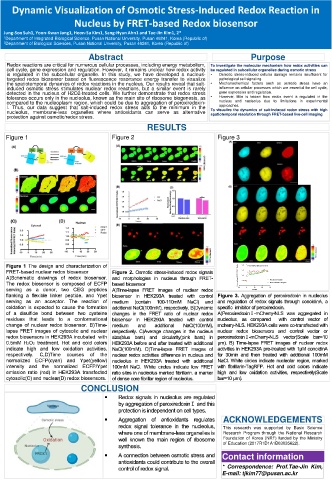
   Figure 1                          Figure 2                           Figure 3


                                                                              N orm a liz e d C FP /FR E T R a tio  1 .6 1 .4 1 .2 1 .0  C o n oidinA (1 µM ) pretrea ted  N ucle olar R egion


                                                                              -1 0  0  10  20  30 N on-N ucleolar R egion
                                                                                   Time(min)


                           CONCLUSION


                                                                          ACKNOWLEDGEMENTS
                                                                          This research was supported by Basic Science
                                                                          Research Program through the National Research
                                                                          Foundation of Korea (NRF) funded by the Ministry
                                                                          of Education (2017R1D1A1B03035622).

                                                                         Contact information
                                                                         * Correspondence: Prof.Tae-Jin Kim,
                                                                         E-mail: tjkim77@pusan.ac.kr

