


Page 7 - I. Chemical biology and drug discovery
P. 7
Role of mitochondrial TUFM in alleviating metabolic dysregulation through enhancing autophagy
               Dasol Kim , Yunyeong Jang , Hui-Yun Hwang , Eun Sun JI , Jin Young Kim , Jong Shin Yoo , and Ho Jeong Kwon *
                                 1
                      1
                                                                         2
                                                    2
                                                               2
                                                                                       1
                                            1
               1 Chemical Genomics Global Research Laboratory, Department of Biotechnology, College of Life Science & Biotechnology, Yonsei University, Seoul 03722, Korea
               2 Biomedical Omics Group, Korea Basic Science Institute, Ochang, Chungbuk 28119, Korea
               *Corresponding author: kwonhj@yonsei.ac.kr
                   BACKGROUND                                                  AIM
    Autophagy is a key regulatory mechanism for systemic homeostasis,  To identify protein targets of K relevant with autophagy and
   thus disorder of which causes a number of human metabolic diseases.  metabolic improvement, we leveraged label-free drug affinity
   Accordingly, discovery of new autophagy regulators and elucidation of  responsive target stability (DARTS) approach with a liquid
   underlying mechanism have been highly emphasized recently. We  chromatography/tandem mass spectrometry (LC–MS/MS) readout.
   identified a natural small molecule K as a autophagy inducer, which  To validate the biological mechanism of K, we investigated
   improves metabolic dysregulation.                      functional relevancy of target protein through genetic modulation.

                                                METHODS

    Combinational method of drug affinity responsive target stability (DARTS) with
   LC−MS/MS identified a new protein target of compound K. (1) Exposure of the
   small molecule to cell lysate proteome pool allowing formation of small molecule
   – protein target interactions, (2) pronase digestion of proteins, where proteins
   that underwent conformational change due to small molecule binding resist
   against protease chopping while proteins with less or no binding to the small
   molecule are degraded, (3) further proteolysis with trypsin and LC–MS/MS
   (SWATH) analysis to determine differential peptide sequence, (4) identification
   of proteins protected by the small molecule based on its enhanced peptide
   amount more than 20% compared to controls, and (5) selection of protein target
   candidates based on phenotypic relevancy to the small molecule.
                                                RESULTS
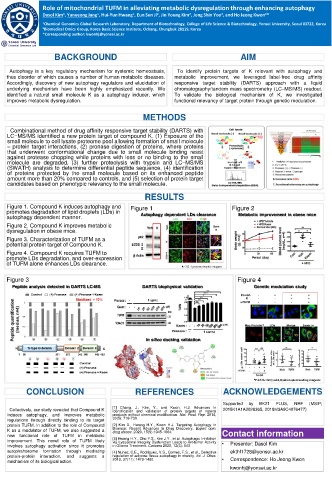
   Figure 1. Compound K induces autophagy and   Figure 1                     Figure 2
   promotes degradation of lipid droplets (LDs) in
   autophagy dependent manner.                 Autophagy dependent LDs clearance  Metabolic improvement in obese mice
   Figure 2. Compound K improves metabolic
   dysregulation in obese mice.
   Figure 3. Characterization of TUFM as a
   potential protein target of Compound K.
   Figure 4. Compound K requires TUFM to
   promote LDs degradation, and over-expression
   of TUFM alone enhances LDs clearance.
                                                            ★ CQ : lysosomotrophic reagent
   Figure 3                                                                   Figure 4
     Peptide analysis detected in DARTS LC-MS   DARTS biophysical validation        Genetic modulation study


                                                In silico docking validation


                                                                                    *PA/OA: fatty acid, lipid droplets loading reagents
          CONCLUSION                         REFERENCES                   ACKNOWLEDGEMENTS

                                                                          Supported  by  BK21  PLUS,  NRF  (MSIP;
    Collectively, our study revealed that Compound K  [1] Chang, J., Kim, Y., and Kwon, H.J. Advances in  2015K1A1A2028365, 2018M3A9C4076477)
                                      identification and validation of protein targets of natural
   induces  autophagy,  and  improves  metabolic  products without chemical modification. Nat. Prod. Rep. 2016,
   regulations through directly binding to its target  33(5): 719-730.
   protein TUFM. In addition to the role of Compound  [2] Kim D., Hwang H.Y., Kwon H.J. Targeting Autophagy In
   K as a modulator of TUFM, we also suggested a  Disease: Recent Advances In Drug Discovery. Expert opin.  Contact information
                                      drug discov. 2020, 15(9):1045-1064.
   new  functional  role  of  TUFM  in  metabolic
   improvement. This novel role of TUFM likely  [3] Hwang H.Y., Cho Y.S., Kim J.Y., et al. Autophagic Inhibition  •  Presenter: Dasol Kim
                                      via Lysosomal Integrity Dysfunction Leads to Antitumor Activity
   involves autophagy activation since it promotes  in Glioma Treatment. Cancers 2020, 12(3): 543
   autophahosome  formation  through  mediating  [4] Nunez, C.E., Rodrigues, V.S., Gomes, F.S., et al., Defective  ekthf1728@yonsei.ac.kr
   protein-protein  interaction,  and  suggests  a  regulation of adipose tissue autophagy in obesity. Int. J. Obes.  •  Correspondence: Ho Jeong Kwon
                                      2013, 37(11): 1473-1480.
   mechanism of its biological action.
                                                                            kwonhj@yonsei.ac.kr Presenter : Minjeong

