


Page 41 - I. Chemical biology and drug discovery
P. 41
Anticancer activity of violacein against hepatocellular carcinoma cells
Hee Jeong Shin, Ye Seul Choi and Hye Jin Jung
Department of Pharmaceutical Engineering & Biotechnology, Sun Moon University, 70,
Sunmoon-ro 221, Tangjeong-myeon, Asan-si, Chungnam 336-708, Republic of Korea
BACKGROUND AIM
The therapeutic effect and anticancer mechanism of violacein
Hepatocellular carcinoma (HCC) is one of the most common against hepatocellular carcinoma (HCC) cells have not been
malignancies worldwide. HCC has a particularly poor prognosis studied. The aim of this study is to evaluate the inhibitory effect
and would greatly benefit from more effective therapies. of violacein on the growth of HCC cells.
Violacein is a deep violet indole derivative produced by a METHODS
limited number of gram-negative bacteria species and exhibits
In the present study, we treated hepatocellular carcinoma (HCC)
several biological properties such as antitumoral, antibacterial,
Huh-7 cells with violacein. Luminescence assay, Colony formation
and antioxidant activities. However, the therapeutic effect and assay, ROS assay, DAPI fluorescent staining, JC-1 mitochondrial
anticancer mechanism of violacein against hepatocellular membrane potential assay, Western blotting were applied to
carcinoma (HCC) cells have not been studied. detect the growth and apoptosis of Huh7 cells.
RESULTS
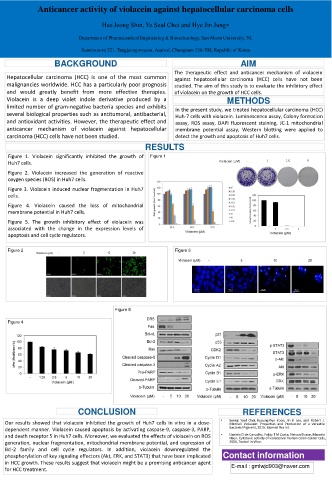
Figure 1. Violacein significantly inhibited the growth of Figure 1
Huh7 cells.
Figure 2. Violacein increased the generation of reactive
oxygen species (ROS) in Huh7 cells.
Figure 3. Violacein induced nuclear fragmentation in Huh7
cells.
Figure 4. Violacein caused the loss of mitochondrial
membrane potential in Huh7 cells.
Figure 5. The growth inhibitory effect of violacein was
associated with the change in the expression levels of
apoptosis and cell cycle regulators.
Figure 2 Figure 3
Figure 5
Figure 4
CONCLUSION REFERENCES
• Seong Yeol Choi, Kyoung-hye Yoon, Jin Il Lee, and Robert J.
Our results showed that violacein inhibited the growth of Huh7 cells in vitro in a dose- Mitchell. Violacein: Properties and Production of a Versatile
dependent manner. Violacein caused apoptosis by activating caspase-9, caspase-3, PARP, Bacterial Pigment, 2015, Biomed Res Int.
and death receptor 5 in Huh7 cells. Moreover, we evaluated the effects of violacein on ROS • Daniela D de Carvalho, Fabio T M Costa, Nelson Duran, Marcela
Haun. Cytotoxic activity of violacein in human colon cancer cells,
generation, nuclear fragmentation, mitochondrial membrane potential, and expression of 2006, Toxicol In Vitro.
Bcl-2 family and cell cycle regulators. In addition, violacein downregulated the
phosphorylation of key signaling effectors (Akt, ERK, and STAT3) that have been implicated Contact information
in HCC growth. These results suggest that violacein might be a promising anticancer agent E-mail : gmlwjd903@naver.com
for HCC treatment.

