


Page 9 - F. Cell biology
P. 9
Identification of ANO4/TMEM16D functions in pterygium
                                             1
                                     Jiyeon Kim , Ikhyun Jun , and Seo Kyoung Yul 1,2
                                                       2
                               1  Brain Korea 21 PLUS for Medical Sciences, Yonsei University, Seoul, Korea
                           2 Department of Ophthalmology, Yonsei University College of Medicine, Seoul, Korea

                           BACKGROUND                                                  AIM

    The Anoctamin (ANO)/transmembrane member 16 (TMEM16) family genes mediate diverse
   physiological and pathophysiological functions including cancer cell proliferation. In particular, they   The ANO4 appears to be a clinically useful
   induce cancer cell growth through interaction with epidermal growth factor receptor (EGFR).  prognostic marker for pterygium and a potential
                                                                         therapeutic target. Surgical excision is a standard
    In this study, we investigate the role of ANO4/TMEM16D in proliferation of pterygium. Pterygium is an
   ocular surface disease and fibrovascular tissue of the conjunctiva grows excessively like cancer,   treatment for pterygium and possibility of
   covering the cornea. In an initial screen of ANO/TMEM16s, ANO4/TMEM16D was overexpressed in   recurrence after surgical removal has been
                                                                         reported to range from 38% to 88% according to
   pterygium and its role was evaluated using in vitro approach. We observed overexpression of ANO4 in
   pterygium tissue compared to normal conjunctiva tissue. In addition, physical association of ANO4   the study. It can be also developed as a
                                                                         medication to prevent recurrence after surgery.
   with EGFR underlies ANO4-induced cell proliferation, like ANO1, ANO9 by mechanical analysis.
                                                METHODS


   1.  Quantitative PCR analysis. Quantitative PCR (qPCR) was performed using the Applied Biosystems StepOne system (Applied Biosystems). According to the comparative
       threshold cycle (      ) method (Livak and Schmittgen, 2001), expression of the target gene was normalized to the expression of the housekeeping gene glyceraldehyde 3-
       phosphate dehydrogenase (GAPDH), yielding the delta       (d      ) value.
   2.  Tissue Immunofluorescence. Frozen blocks containing conjunctiva, pterygium tissues were sectioned at 6 μm thickness and sections were blocked with 5% donkey serum
       and 1% BSA in 1X PBS containing 0.1% Triton X-100 (Sigma) for 1 h, and then incubated with primary antibodies against ANO4 diluted in the blocking solution at 4℃
       overnight. After washing with 1X PBS, the sections were incubated with Alexa Fluor 488-conjugated secondary antibodies at room temperature 1 h. After washing, slides
       were then mounted with Vectashield Mounting Medium (VECTOR LABORATORIES).
   3.  WST-8 Assay. For cell viability assay, conjunctival epithelial cells, fibroblasts were transfected using Lipofectamin LTX with PLUS reagent (Invitrogen). 72 h post transfection,
       cell proliferation was determined by water-soluble tetrazolium salt-8 (WST-8) assay using Quanti-MAX WST-8 cell viability assay kit (Biomax Inc), according to the
                                                                    ™
                                                  4
       instructions. Conjunctival epithelial cells, fibroblasts were plated at 2 × 10 cells/ml in 96-well plate. Subsequently, 10 μL of WST-8 solution was added to each well, and
       incubated 2 h. Absorbance at 450 nm was measured by microplate reader.
   4.  Immunoprecipitation. For the immunoprecipitation assay, PANC-1 cells were co-transfected with the ANO1-myc, ANO5-myc, ANO6-myc, ANO9-myc, and EGFR-HA plasmids.
       The cell lysates were mixed with anti-myc antibodies and incubated overnight at 4 °C in lysis buffer. The immune complexes were collected by binding to protein G/A-
       Sepharose and washed three times with lysis buffer. The immunoprecipitates and lysates were then separated by SDS–PAGE and immunoblotted with anti-HA antibodies.
                                                RESULTS

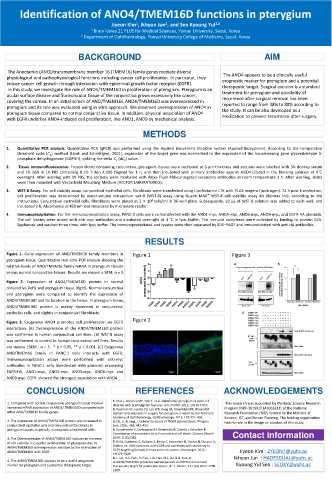
   Figure 1. Gene expression of ANO/TMEM16 family members in  Figure 1       Figure 3
   pterygium tissue. Quantitative real-time PCR analysis showing the
   relative levels of ANO/TMEM16 family mRNA in pterygium tissues
   versus normal conjunctiva tissues. Results are means ± SEM; n = 5.
   Figure 2. Expression of ANO4/TMEM16D protein in normal
   conjunctiva (left) and pterygium tissue (right). Normal conjunctiva
   and pterygium were compared to identify the expression of
   ANO4/TMEM16D and its location in the tissue. In pterygium tissue,
   ANO4/TMEM16D protein is mainly expressed in conjunctival
   epithelial cells, and slightly in conjunctival fibroblasts.                  C
                                            Figure 2
   Figure 3. Exogenous ANO4 promotes cell proliferation via EGFR
   interaction. (A) Overexpression of the ANO4/TMEM16D protein
   was confirmed in human conjunctival cell lines. (B) WST-8 assay
   was performed to control in human conjunctival cell lines. Results
   are means ±SEM ; n = 3. * p < 0.05, ** p < 0.001. (C) Exogenous
   ANO/TMEM16 family in PANC-1 cells interacts with EGFR.
   Immunoprecipitation assays were performed with anti-myc
   antibodies in PANC-1 cells transfected with plasmids expressing
   EGFR-HA, ANO1-myc, ANO4-myc, ANO5-myc, ANO6-myc and
   ANO9-myc. EGFR showed the strongest association with ANO4.
          CONCLUSION                         REFERENCES                   ACKNOWLEDGEMENTS

                                      1. Chui J, Coroneo MT, Tat LT, et al. Ophthalmic pterygium: A stem cell
   1. Compared with normal conjunctiva, pterygium tissue showed   disorder with premalignant features. Am J Pathol. 2011; 178:817-827.   This research was supported by the Basic Science Research
   increased mRNA expression of ANO4/ TMEM16D compared with   2. Kaufman SC, Jacobs DS, Lee WB, Deng SX, Rosenblatt MI, Shtein RM.   Program (NRF-2019R1F1A1063311) of the National
   other ANO/TMEM16 family genes.     Options and adjuvants in surgery for pterygium: a report by the American   Research Foundation (NRF) funded by the Ministry of
                                      Academy of Ophthalmology. Ophthalmology. 2013; 120:201–208.  Science, ICT, and Future Planning. The funding organization
   2. The expression of ANO4/TMEM16D protein was increased in   3. Oh, U. & Jung, J. Cellular functions of TMEM16/anoctamin. Pflügers  had no role in the design or conduct of this study.
   conjunctival epithelial cells and conjunctival fibroblasts in   Arch.2016;  468, 443–453.
   pterygium tissues, especially in conjunctival epithelial cells.    4. Kunzelmann K, Ousingsawat J, Benedetto R, Cabrita I, Schreiber R.
                                      Contribution of anoctamins to cell survival and cell death. Cancers (Basel).   Contact information
   3. The Overexpression of ANO4/TMEM16D induces an increase   2019; 11(3):E382.
   of cell viability. It can infer proliferation of pterygium due to   5. Bill A, Gutierrez A, Kulkarni S, Kemp C, Bonenfant D, Voshol H, Duvvuri U,
   ANO4/TMEM16D overexpression and due to the interaction of   Gaither LA. ANO1 interacts with EGFR and correlates with sensitivity to
   ANO4/TMEM16D with EGFR.            EGFR-targeting therapy in head and neck cancer. Oncotarget. 2015;   Jiyeon Kim : ZYEON7@yuhs.ac
                                      6:9173–9188.
                                      6. I. Jun, H.S. Park, H. Piao, J.W. Han, M.J. An, B.G. Yun, et   Ikhyun Jun  : HADESDUAL@yuhs.ac
   4. The ANO4/TMEM16D appears to be a useful prognostic   al.ANO9/TMEM16J promotes tumourigenesis via EGFR and is a novel
   marker for pterygium and a potential therapeutic target.  therapeutic target for pancreatic cancer, Br. J. Cancer, 117 (12) 2017; 1798-  Kyoung Yul Seo : SEOKY@yuhs.ac
                                      1809.

