


Page 17 - T. Protein modification and regulation
P. 17
Phosphorylated tau induces hyperubiquitylation,
promotes the formation of insoluble tau aggregates
Seoyoung Park, Seohyeng Park, Min Jae Lee *
Department of Biochemistry and Molecular Biology, Seoul National University College of Medicine, Seoul 03080, Korea
BACKGROUND AIM
Tau protein is a natively unfolded and highly soluble protein, contributing stabilization of axonal microtubule To dissect the crosstalk between PTMs
networks in the brain. Under pathological conditions, tau undergoes multiple post-translational modifications during tau aggregation process, we in vitro
(PTMs) and conformational changes to form insoluble fibrils, which is the proteinaceous signature of tauopathies. phosphorylated and ubiquitylated the
Phosphorylation is considered the rate-limiting step of tau fibrillization largely because hyperphosphorylated tau recombinant human tau proteins(tau-441)
with recombinant GSK3β and CHIP,
has been identified in neurofibrillary tangles and filamentous inclusions in postmortem brain tissues from AD respectively, and detected effects of
patients. Despite the notion of tau phosphorylation in tauopathies, pharmacological inhibition of this PTM event modified tau on insoluble aggregates
has resulted in only a limited benefit in various clinical trials. formation.
METHODS
In vitro phosphorylation 270 nM recombinant tau and 625 nM GSK3β (amino acids 35-380) were incubated in phosphorylation buffer (50 mM Tris-HCl [pH 7.4], 10 mM MgCl 2 , 5
mM DTT, and 1 mM ATP) at 30 °C for various periods.
The tau ubiquitylation assay and ub-tau degradation in vitro In a test tube, the ubiquitylation reaction mixture consisted of 270 nM tau, 100 nM UBA1, 2 μM UbcH5b, 500 nM
CHIP, and 10 μM ubiquitin in ubiquitylation buffer (50 mM Tris-HCl [pH 7.5], 10 mM MgCl 2 , 1 mM ATP, and 0.2 mM DTT). Ubiquitin reconstitution was conducted at 37 °C for
various periods. To examine the aggregation of ubiquitylated tau, the reaction was allowed to proceed for more than 4 d. To identify the degradation of modified- and unmodified-tau
species, purified human proteasomes (5 nM) were incubated with phospho-ub-tau (100 nM) in proteasome assay buffer (50 mM Tris-HCl [pH 7.5], 100 mM NaCl, 10 % of glycerol, 2
mM ATP, 10 mM MgCl 2 , and 1 mM DTT).
In vitro aggregation of tau Tau aggregation was monitored by means of ThT. 3.33 mM tau was incubated with 50 mM ThT in ThT assay buffer (50 mM glycine-NaOH [pH 8.5]).
The oligomerization kinetics were determined by means of fluorescence (480 nm for excitation and 535 nm for emission) at various time points between hours 6 and 96 of ThT
incubation. Tau aggregation was also monitored using a filter trap assay.
RESULTS
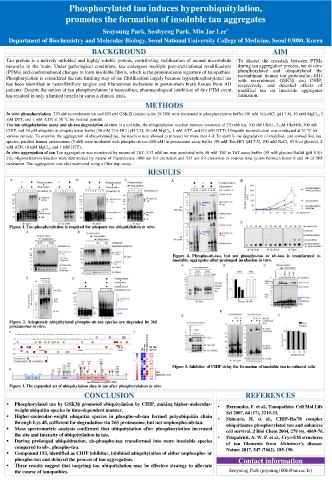
Figure 1. Tau phosphorylation is required for adequate tau ubiquitylation in vitro.
Figure 4. Phospho-ub-tau, but not phospho-tau or ub-tau, is transformed to
insoluble aggragates after prolonged incubation in vitro.
Figure 2. Adequately ubiquitylated phospho-ub-tau species are degraded by 26S
proteasomes in vitro.
Figure 5. Inhibitor of CHIP delay the formation of insoluble tau in cultured cells
Figure 3. The expanded set of ubiquitylation sites in tau after phosphorylation in vitro
CONCLUSION REFERENCES
Phosphorylated tau by GSK3β promoted ubiquitylation by CHIP, making higher-molecular- • Hernandez, F. et al., Tauopathies. Cell Mol Life
weight ubiquitin species in time-dependent manner. Sci 2007, 64 (17), 2219-33.
Higher-molecular-weight ubiquitin species in phospho-ub-tau formed polyubiquitin chain • Shimura, H. et al., CHIP-Hsc70 complex
through Lys 48, sufficient for degradation via 26S proteasome, but not unphospho-ub-tau. ubiquitinates phosphorylated tau and enhances
Mass spectrometric analysis confirmed that ubiquitylation after phosphorylation increased cell survival. J Biol Chem 2004, 279 (6), 4869-76.
the site and intensity of ubiquitylation in tau. • Fitzpatrick, A. W. P. et al., Cryo-EM structures
During prolonged ubiquitination, ub-phospho-tau transformed into more insoluble species of tau filaments from Alzheimer's disease.
compared to ub-, phospho-tau. Nature 2017, 547 (7662), 185-190.
Compound 153, identified as CHIP inhibitor, inhibited ubiquitylation of either unphospho- or
phospho-tau and delayed the process of tau aggregation. Contact information
These results suggest that targeting tau ubiquitylation may be effective strategy to alleviate
the course of tauopathies. Seoyoung Park (psyoung1006@snu.ac.kr)

